Soft Cord Number -1: A Designer’s Real-World Embroidery Font Review
First Impressions: A Clean, Approachable Fill Stitch Font
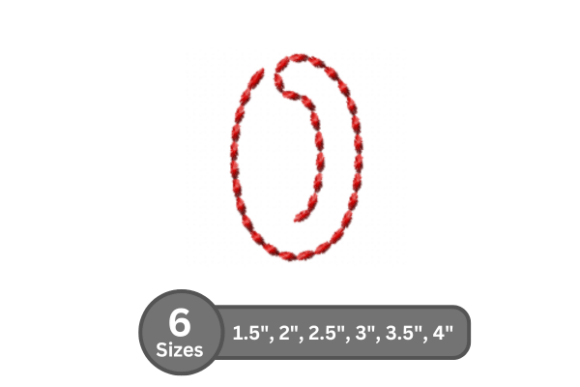
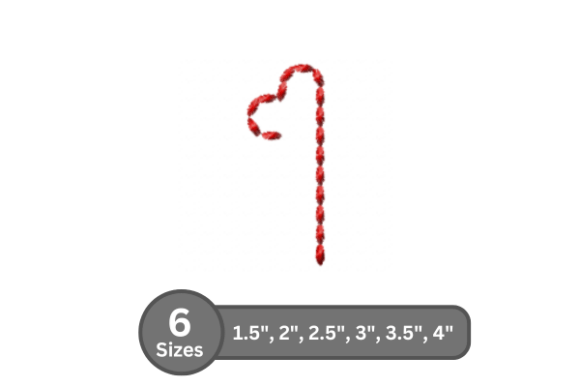
When I first opened the Soft Cord Number -1 embroidery file, what stood out was its soft, rounded letterforms and balanced spacing. It's a fill stitch font, which means it's designed to stitch out smoothly without jagged edges or overly dense areas. Visually, it gives off a friendly, approachable vibe — perfect for school-themed items or personalized baby gifts. The design isn’t overly decorative, which makes it versatile for both kids’ and adult products. As a designer who often works on custom embroidered tote bags and sweatshirts, I immediately thought of how this font could elevate a simple design without overpowering it.
Performance in Real-Life Embroidery Projects
Soft Cord Number -1 really shines when stitched onto stable fabrics like cotton canvas, denim, or twill. I tested it on a tote bag and a cotton baby onesie, and both came out cleanly with no puckering or distortion. The fill stitch pattern is consistent, which helps maintain clarity even at moderate sizes. For small business owners or Etsy sellers looking to add a clean, legible number to a product — like a child’s backpack, a school-themed apron, or a personalized pillow — this font delivers a polished look without requiring advanced machine settings.
One thing I noticed was how well it scaled. On a 6-inch hoop, the numbers remained crisp and readable. This makes it a solid choice for embroidered patches, sweatshirt embellishments, or boutique-style nursery decor. It also held up well on a mockup of a dark fabric background — though I’d always recommend testing thread color contrast before production.
Where to Use Soft Cord Number -1 Carefully
- Small hoop sizes: While the font is legible, very small numbers (under 0.5 inches) may lose some detail, especially in corners and curves.
- Stretchy or thin fabrics: I noticed slight distortion when testing on a stretchy knit without proper stabilizer. Extra care is needed to prevent pulling or warping.
- Curved surfaces like caps: The font is best suited for flat surfaces. On curved areas like baseball caps, extra tension adjustment may be required to maintain clarity.
- Dark or textured fabrics: Dark thread on dark fabric can blend too much, reducing visibility. Textured materials like terry cloth may hide some of the finer stitch details.
For crafters and small shop owners, this means Soft Cord Number -1 is best used on stable, smooth fabrics where the design can be clearly showcased. If you're making items for resale or custom orders, keep these limitations in mind when selecting materials and communicating with customers.
Visual Appeal and Practical Value
From a design standpoint, Soft Cord Number -1 brings a quiet professionalism to embroidered products. It doesn’t scream for attention, but it adds a clean, intentional touch — especially important for school-themed items, personalized gifts, or boutique branding. Whether you're embroidering a student’s name on a jacket or a number on a custom apron, this font reads clearly and tastefully.
For Etsy sellers or craft fair vendors, the font’s simplicity can actually be a strength. It pairs well with other design elements like borders, applique shapes, or monogram layouts. It also works well in digital product previews — especially when creating printable mockups for customers to visualize their custom items before purchase.
From a customer trust perspective, the clean stitch-out reinforces quality. Buyers can see that the design was professionally digitized, which adds to the perceived value of the finished product. In a handmade market where presentation matters, that small detail can make a difference in repeat sales and word-of-mouth referrals.
Designer Notes: What to Test Before You Stitch
As with any machine embroidery design, I always recommend running a few tests before committing to your final product. Here’s what I checked with Soft Cord Number -1:
- Test on scrap fabric: Especially if you're using an unfamiliar material or color.
- Check thread color contrast: Make sure the number stands out clearly against the background fabric.
- Review stitch density: Look for overly tight areas that might pucker the fabric.
- Confirm hoop size compatibility: Be sure your machine can handle the design dimensions.
- Inspect small details: Zoom in on corners and curves to ensure they stitch cleanly.
- Test in black and white mockups: Helps visualize how the design will look without color distractions.
- Compare light and dark fabric backgrounds: Some thread colors may need adjustment depending on the fabric.
- Use proper stabilizer: Especially important on stretchy or thin materials.
- Check licensing: Confirm whether the embroidery file is allowed for commercial use or resale of finished items.
Final Thoughts: A Reliable Font for Everyday Embroidery
Soft Cord Number -1 is a solid, well-digitized fill stitch font that performs well in real-world embroidery applications. It’s especially suited for school-themed items, baby products, and personalized gifts where clarity and approachability are key. While it may not be the flashiest design in your collection, it’s the kind of font you reach for when you want a clean, professional finish without overcomplicating your project.
Whether you're a craft business owner, digital product seller, or just a hobbyist looking to elevate your embroidered creations, Soft Cord Number -1 is worth adding to your design assets. Just remember to test it in your specific context before production — and always consider fabric type, thread choice, and intended use when presenting your finished product.