h1>Color Bar Number -6: A Craft Fair Designer’s Honest Review
h2>First Impressions: Modern, Bold, and Versatile
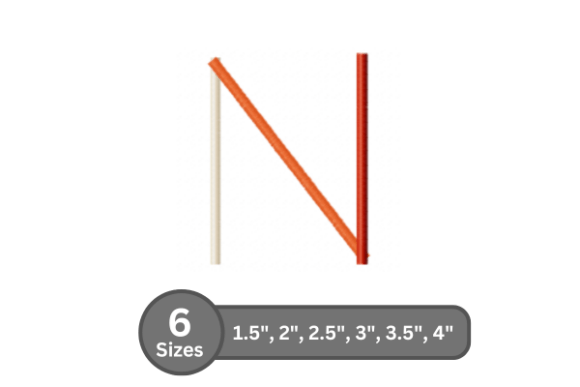
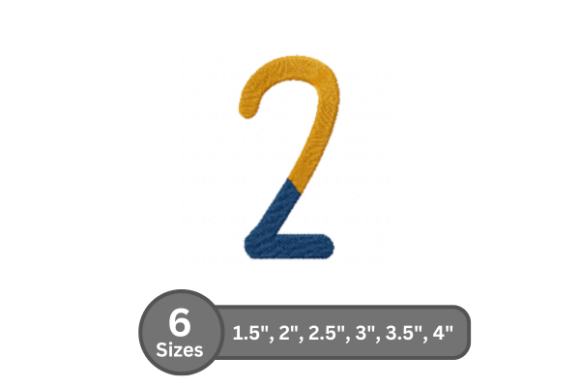
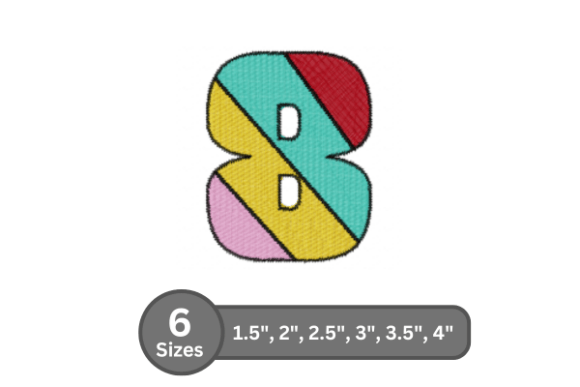
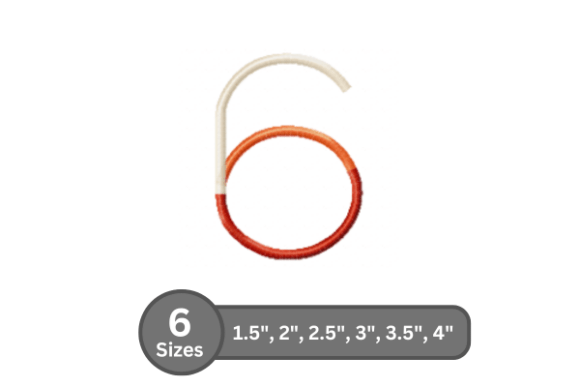
p>When I first opened the Color Bar Number -6 embroidery file, I immediately thought, “This is going to sell.” The design feels modern with a confident, bold presence that stands out without being overwhelming. As a fill stitch font, it’s clean and structured, yet still has a decorative edge that makes it feel premium. It doesn’t lean too rustic or farmhouse, nor does it go full minimalist. Instead, it hits a sweet spot between stylish and functional—perfect for craft fair shoppers looking for something a little elevated but still handmade.
h2>Performance on Craft Fair Products: Works Where It Counts
p>For my weekend booth, I always look for embroidery designs that can translate across multiple products. Color Bar Number -6 fits the bill. I tested it on tote bags, aprons, tea towels, and even small embroidered patches. On tote bags, it makes a strong visual statement—especially when centered on the front or stitched along the strap. On aprons, it reads well as a name or number personalization, which Etsy sellers and boutique makers will love for custom orders.
p>It also shines on tea towels and pillow covers, where the fill stitch gives a soft but defined look. The font is large enough to read easily, yet not so busy that it distracts from the fabric. For embroidered patches, this design holds up well when cut out and attached to bags or hats. Even on curved surfaces like caps, the stitch pattern maintains clarity, though I’d recommend testing on a sample first to avoid distortion.
h2>How It Sells: Catches Eyes, Converts Browsers
p>One of the biggest challenges at a craft fair is grabbing attention in a split second. Color Bar Number -6 does that. It’s simple enough to be understood at a glance, but distinctive enough to stand out in a sea of script fonts and cutesy numbers. Shoppers notice it, especially when used on tote bags or market bags where the design is front and center.
p>For online sellers, this design photographs beautifully. The consistent fill stitch creates a smooth, clean look that translates well in product photos. This is key for Etsy sellers and digital designers who rely on printable mockups to showcase their work. The font’s structure also allows for easy color changes, so you can match it to different fabric tones and keep your listings looking fresh and varied.
h2>Production Practicality: Smooth Stitching, Batch-Friendly
p>As an embroidery designer, I always check how a design stitches out before recommending it for production. Color Bar Number -6 stitches cleanly and evenly, with no skipped or bunched areas on my test runs. It’s a fill stitch font, so there’s some density, but nothing that should cause issues on standard stabilizers and mid-weight fabrics.
p>This design is batch-friendly, which is a huge plus for small shop owners and craft fair sellers who need to make multiple items quickly. I had no issues hooping and stitching multiple tote bags in a row. The design doesn’t require frequent thread changes, which keeps production time low and efficiency high.
h2>Careful Use Notes: Know the Limits
p>While Color Bar Number -6 is generally easy to work with, there are a few caveats. The fill stitch areas can get a bit dense, so if you’re using thick fabrics like heavy denim or quilted cotton, make sure to adjust your tension and use a sturdy stabilizer. Also, if you plan to stitch it on textured towels or curved cap surfaces, test on a sample first to ensure the design doesn’t lose clarity.
p>Small lettering can also be a concern, especially if you’re scaling the design down. At smaller sizes, some of the finer details may blur together. I recommend keeping it above a certain size threshold unless you’re using it as a subtle accent. On dark fabrics, thread contrast becomes more noticeable, so double-check your color choices before stitching a full run.
h2>Visual Appeal and Branding: Adds Value and Consistency
p>What I love most about Color Bar Number -6 is how it elevates the perceived value of handmade items. It gives a boutique-level finish that customers associate with quality. Whether it’s stitched onto a pillow cover or a personalized tote, the design feels intentional and polished.
p>For craft fair sellers, this translates to stronger booth displays. When I arranged my samples with Color Bar Number -6 prominently featured, it created a cohesive look across different products. This kind of consistency helps reinforce brand identity—especially for digital sellers who use the same design across Etsy listings and printable mockups.
h2>Designer Notes: Test Before You Stitch
p>Before diving into production, I always recommend a few best practices:
ul>
li>Compare different fabric colors to find the most eye-catching combinations.
li>Confirm commercial licensing before selling finished products, especially if you're an Etsy seller or digital designer.
p>While the product description says it’s “carefully digitized for smooth stitching and professional results,” I still suggest reviewing the file yourself. Don’t assume hoop size or stitch count—check the details before production.
h2>Final Thoughts: A Solid Choice for Craft Fair Success
p>Color Bar Number -6 is a strong contender for craft fair sellers, embroidery business owners, and digital designers alike. It’s versatile, easy to stitch, and visually appealing across a range of handmade products. From tote bags to embroidered patches, this design brings a modern edge that customers will notice and appreciate.
p>If you’re preparing for a weekend booth or updating your Etsy listings, Color Bar Number -6 is worth adding to your design assets. Just remember to test, plan, and produce with care—and you’ll be well on your way to selling more handmade goods with confidence.