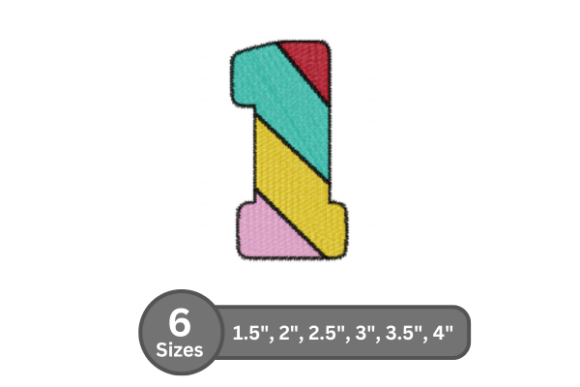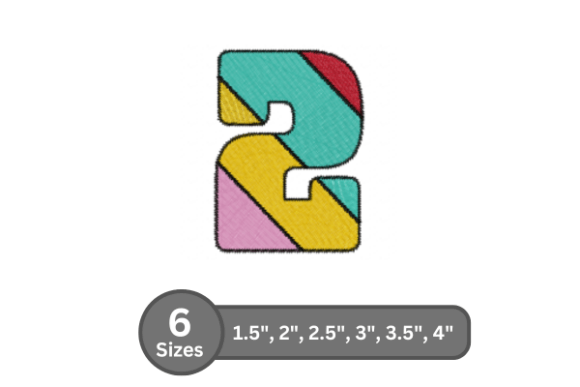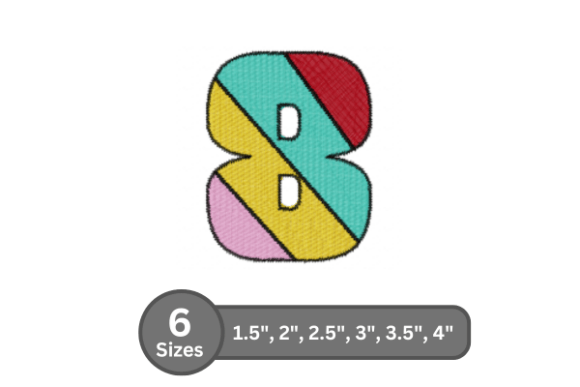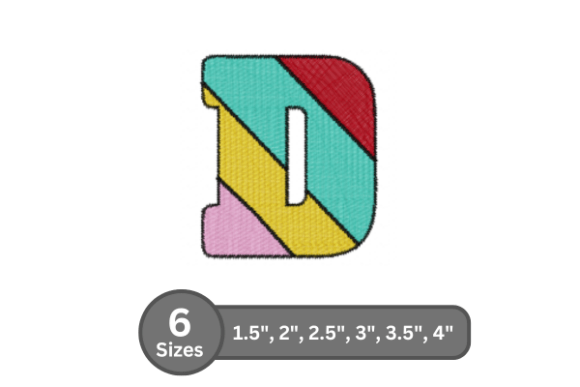
Candy Stripe Number -5: A Designer’s Review for Business Embroidery
First Impressions: Playful Yet Professional Embroidery Font
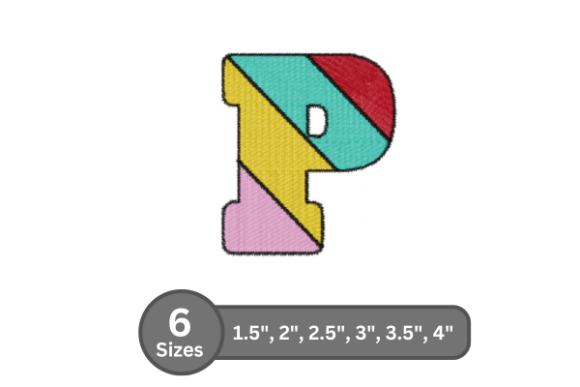
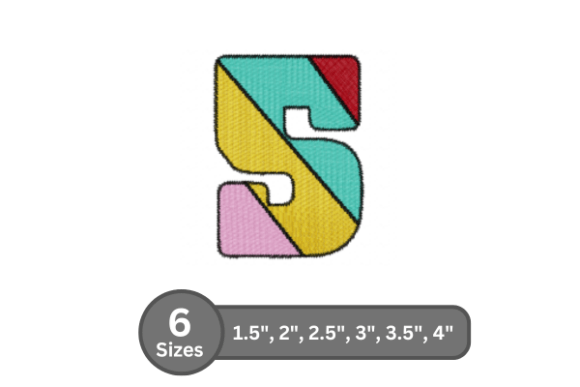
As an embroidery designer working with small businesses, the Candy Stripe Number -5 immediately caught my eye. Its name suggests a bold, striped number design with a touch of whimsy—perfect for brands that want to stand out without sacrificing professionalism. The description mentions it's a fill stitch font digitized for smooth stitching, which gives me confidence in its machine embroidery performance. Based on the title alone, this font feels playful and modern, making it a strong contender for small business merch and school-related embroidered items.
Real-World Business Uses for Candy Stripe Number -5
This design is ideal for a variety of commercial embroidery applications. From my experience, numbered fonts like Candy Stripe Number -5 are highly versatile for branding and product personalization. Here’s how it can be used effectively:
- Embroidered patches – Great for sew-on or iron-on patches, especially for schools, sports teams, or boutique merchandise.
- Staff uniforms – Perfect for adding employee names or numbers on shirts, aprons, or caps.
- Cap embroidery – Works well as a focal point or accent on the back or side panels of caps.
- Tote bag design – Adds a clean, branded touch to the center or corner of fabric tote bags.
- Product packaging accents – Can be stitched onto tags or labels for a custom handmade product finish.
- Boutique merchandise – Especially useful for small shops wanting a consistent font across aprons, towels, and staff wear.
Whether it's for a local bakery, a handmade studio, or a school fundraiser, this font supports a cohesive brand identity while maintaining visual appeal.
Where to Use Candy Stripe Number -5 with Caution
While Candy Stripe Number -5 looks promising, there are a few production factors to consider before full-scale use:
- Small patch sizes – At very small dimensions, the stripes may not hold well or could become distorted.
- Cap fronts – Curved surfaces may affect how the stripes stitch out, especially if the hoop size is tight.
- High stitch density – Fill stitch fonts can sometimes lead to thread bunching if not tested properly.
- Textured fabric – Rough or uneven materials may affect the clarity of the stripe details.
- Dark uniforms – The contrast between thread and fabric needs to be sharp for the design to pop.
These concerns aren’t dealbreakers, but they do require testing before committing to large runs of custom apparel or embroidered patches.
Brand Identity and Customer Engagement Impact
Choosing the right font matters more than many small business owners realize. Candy Stripe Number -5 strikes a balance between fun and professional, making it a smart choice for brands that want to feel approachable yet polished. Here’s how it affects key brand elements:
- Customer trust – A clean, well-digitized font signals attention to detail and quality.
- Brand recognition – Consistent use across merch helps customers identify and remember your brand.
- Visual consistency – Works well alongside other design assets like logos and icons.
- Handmade presentation – Even for digital embroidery, the design maintains a crafted, personalized feel.
- Buyer engagement – Unique fonts like this can spark conversation and interest in your merch.
For a local business looking to build loyalty and stand out, this machine embroidery design could become a signature visual element.
Practical Embroidery Designer Notes for Production
Before using Candy Stripe Number -5 in client projects, here are the steps I recommend to ensure quality and avoid issues:
- Test it in black and white first – Helps identify clarity and contrast issues before color selection.
- Check if it works at small patch size – Resize it digitally and stitch a sample to see how the stripes hold up.
- Review thread color contrast – Especially important on dark or light fabrics to maintain visibility.
- Inspect spacing and alignment – Make sure the stripes don’t bleed into each other or become too compressed.
- Confirm hoop size – Ensure the design fits within your machine’s capabilities and intended placement area.
- Test on real fabric – Always stitch a sample on the actual material you’ll use for the final product.
- Use proper stabilizer – Prevents puckering and distortion, especially on stretchy or thin fabrics.
- Create a mockup for client approval – Use a printable mockup to show how the design will look on the finished product.
- Compare it beside other design assets – Ensure it complements your client’s existing branding elements.
- Confirm commercial licensing – Before using it for resale or client work, verify that the digital embroidery file allows for business use.
These steps will help ensure that your use of Candy Stripe Number -5 results in a high-quality, professional finished product every time.